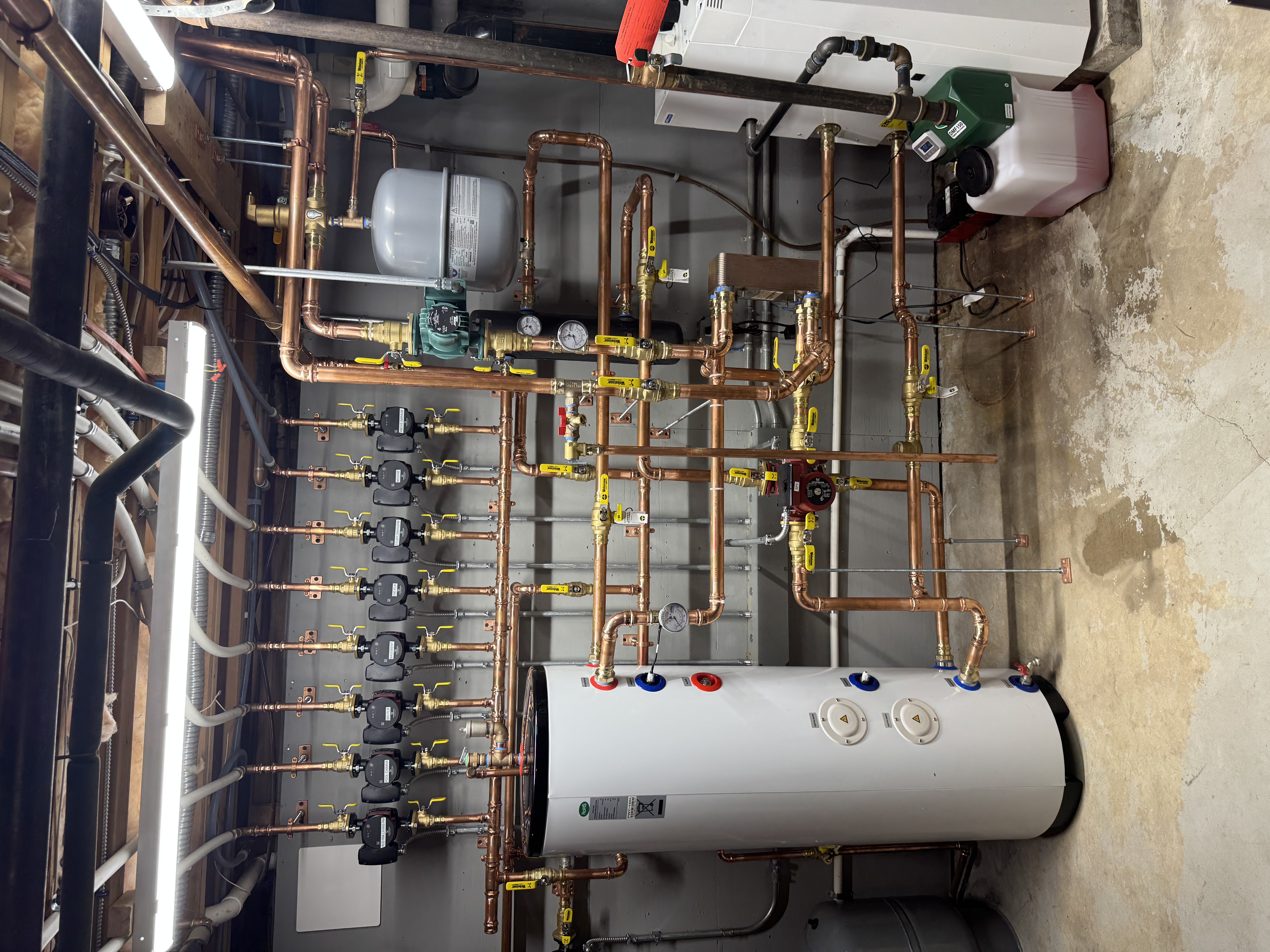
Choosing the Right Water Heater: A Comprehensive Guide for Homeowners Jun 24, 2026
To start, it’s essential to know the basics of what a water heater does. Simply put, a water heater provides the necessary hot water for daily activities such as bathing, cooking, and cleaning. The right choice can lead to improved energy efficiency and reduced utility bills, making your home an eco-friendlier place.
First, consider the different types of water heaters available. The most common types include tankless water heaters, conventional storage water heaters, heat pump water heaters, and solar water heaters. Each type has its unique advantages and considerations.
Tankless water heaters, for example, are known for their energy efficiency since they provide hot water on demand, eliminating standby energy losses associated with storage water heaters. They are ideal for homes with larger families or for those who use hot water frequently throughout the day. However, they often come with a higher upfront cost.
Conventional storage water heaters, on the other hand, are the most prevalent in households. They store a reservoir of hot water ready for use, and their installation costs are typically lower. However, they might have higher ongoing energy costs due to heat loss from the tank.
Heat pump water heaters are another energy-efficient choice, particularly in climates where temperatures rarely dip below 40 degrees Fahrenheit. They use electricity to move heat from one place to another instead of generating heat directly, providing hot water efficiently. Yet, they require more space and generally have a higher installation cost.
For those interested in sustainable living, solar water heaters provide an environmentally friendly option. They use the sun's energy to heat water, which can lead to significant savings on electricity bills. Despite their higher initial purchase and installation cost, long-term savings and tax incentives often offset these costs.
When choosing a water heater, consider the size and capacity that suits your home. It’s essential to match the capacity of the water heater with your household’s demand. A unit too small won’t meet your needs, while an oversized one can lead to unnecessary energy consumption.
Equally important is the energy efficiency rating of the water heater. Look for models with high Energy Star ratings as these signify higher efficiency standards and promise lower energy costs over the lifespan of the unit.
Additionally, always factor in the total cost of ownership, not just the initial purchase price. Consider ongoing maintenance, potential repair costs, and energy usage. Consulting with a professional service—such as Eaton Plumbing & Heating—can provide tailored advice based on your unique household needs and can assist with installation and maintenance services.
In conclusion, choosing the right water heater is a significant investment in your home’s efficiency and comfort. By understanding the various types available, assessing your household's needs, and considering long-term savings, you can make a well-informed decision. Reach out to reliable service providers to ensure a successful installation and long-term maintenance, and enjoy the convenience of a well-chosen water heater tailored to your home.
/filters:no_upscale()/filters:format(webp)/media/1fdab130-e458-4c88-aced-a2e45e706537.jpeg)