The Essential Guide to Understanding Your Home's Plumbing System Nov 29, 2025
Let’s start by breaking down the components of a typical home plumbing system. At the core, your plumbing comprises two subsystems: one that supplies clean water in and another that removes waste water. The clean water enters your home under pressure, allowing it to travel upstairs and around corners to various fixtures. This system’s complexity can be managed easily once you understand its basic parts: the water meter, stop valves, and the network of pipes distributing water throughout your home.
Your water meter is a critical component located where the main water supply enters your home. It measures the volume of water that flows through, allowing for accurate billing. Near the meter, you’ll find the main shut-off valve. Knowing its location is essential; in emergency scenarios like a burst pipe, turning off the valve can prevent extensive water damage.
Moving through the system, let's discuss stop valves. These are located under each sink or toilet and serve to isolate specific fixtures without interrupting the water supply to the entire house. Knowing their location and how to operate them can be a lifesaver during a minor plumbing issue, such as a leaky faucet or a clogged toilet.
Next, consider the drain-waste-vent system. This crucial component of your plumbing facilitates waste removal and vital air circulation. Without proper venting, you could encounter dreaded plumbing issues like slow drains and water lock scenarios which lead to pressure imbalances and foul odors. Ensuring this system is functional will contribute greatly to the overall health of your home’s plumbing.
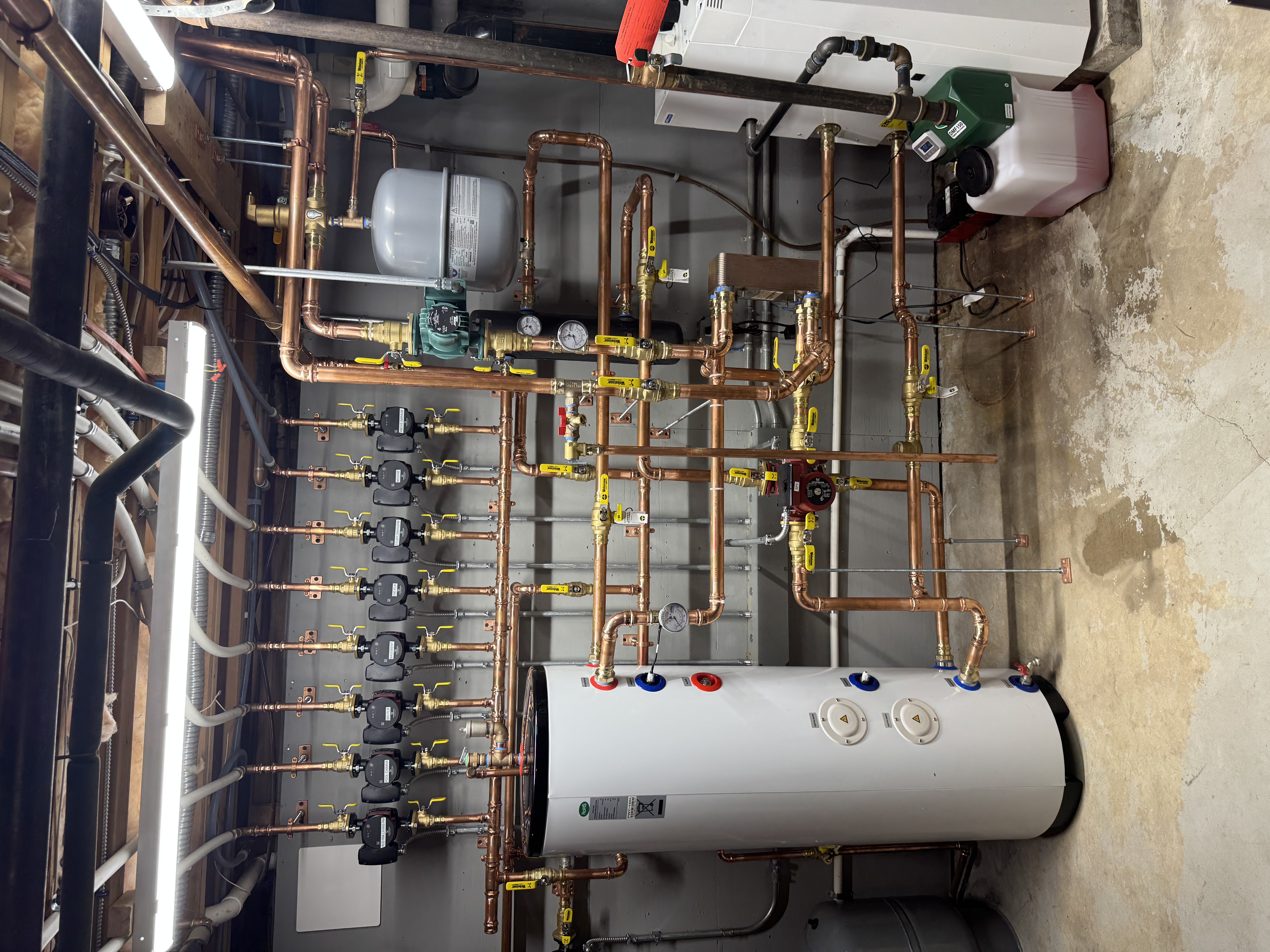
Another vital aspect of your plumbing is the quality of water heater maintenance. Regularly checking the temperature and inspecting for leaks can extend the life of your water heater. A unit set too high can lead to excessive energy use, while a unit with sediment build-up can reduce efficiency and lead to higher bills. Consult manuals or professionals periodically to maintain optimal functionality.
Furthermore, consider incorporating preventative measures such as regular inspections of your plumbing network to identify and rectify issues early. This can involve checking for leaks, insulating pipes to prevent freezing in cold weather, and using strainers to stop debris that might clog your system. Regular inspection and maintenance are key to prolonging your plumbing's efficient functioning.
In conclusion, understanding and maintaining your home’s plumbing system can be quite straightforward with the right knowledge and strategies. By leveraging the insights shared in this guide and leaning on the expertise of professionals like those at Eaton Plumbing and Heating, you can safeguard your home’s plumbing infrastructure efficiently. This not only saves money but also ensures comfort and peace of mind. If any issue seems beyond your DIY skills, never hesitate to contact a professional to prevent any minor inconveniences from turning into major repairs.
/filters:no_upscale()/filters:format(webp)/media/1fdab130-e458-4c88-aced-a2e45e706537.jpeg)