The Pros and Cons of Different Pipe Materials for Home Plumbing Feb 07, 2026
Understanding pipe materials is crucial because each type has unique properties that influence its suitability for various applications. Let's dive into the details of the most commonly used pipe materials: copper, PVC, PEX, and galvanized steel.
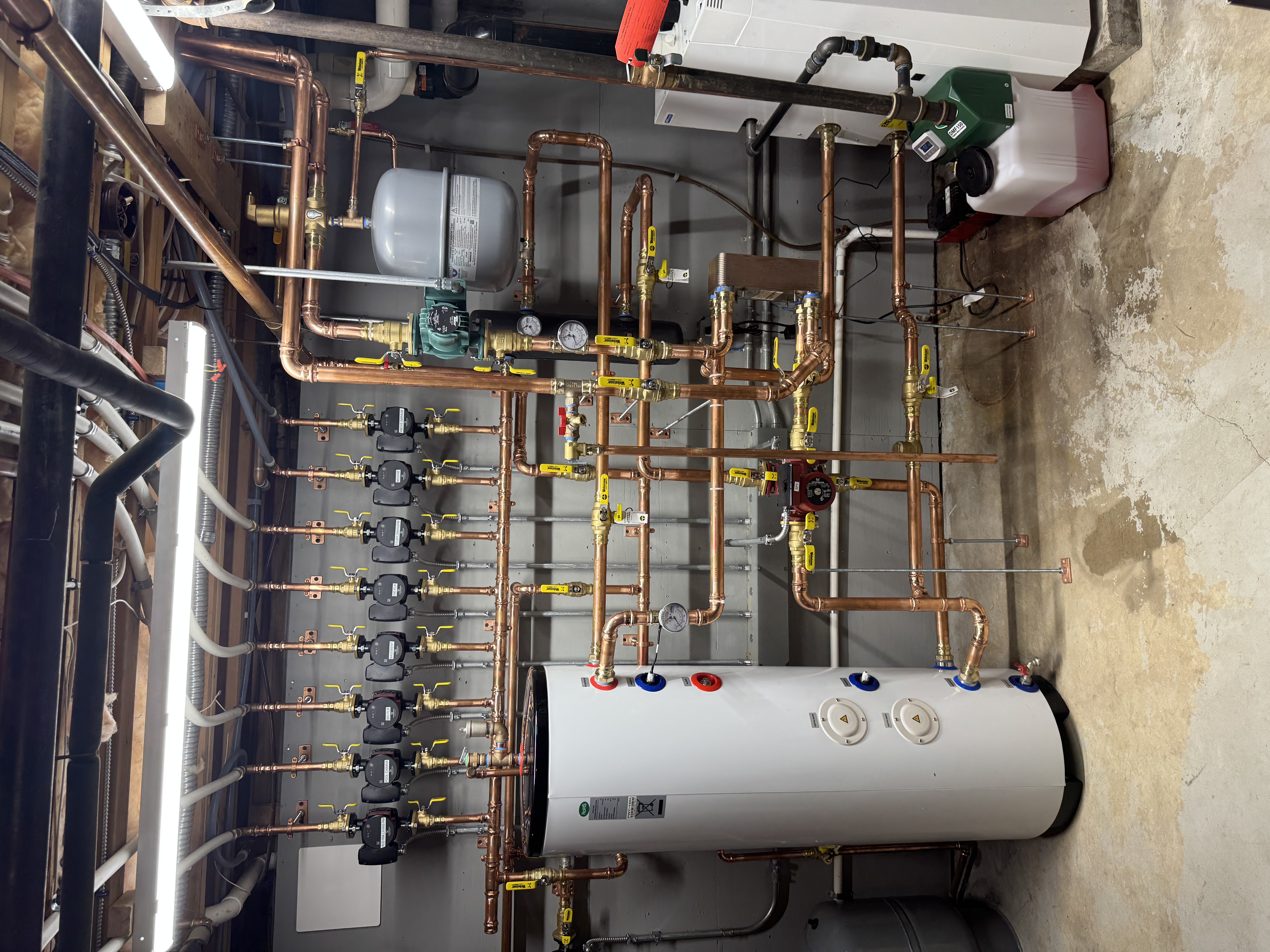
Copper pipes have long been favored in plumbing due to their durability and reliability. They are resistant to corrosion, which means they have a long lifespan, often lasting up to 50 years. Copper is also great for both hot and cold-water plumbing, given its ability to handle high temperatures without losing integrity. However, copper is more expensive than other materials, which can increase installation costs. Moreover, copper pipes can become noisy as water flows through them and requires soldering, making their installation more labor-intensive.
PVC (Polyvinyl Chloride) pipes are praised for their affordability and ease of installation. They are lightweight and resistant to rust and corrosion, making them a popular choice for waste and drainage lines. However, PVC is not ideal for hot water lines because it can warp when exposed to high temperatures over time. It is also not as durable as other materials when it comes to environmental impact, such as exposure to UV rays, which can cause the material to degrade.
PEX (Cross-linked Polyethylene) pipes have gained popularity due to their flexibility and ease of installation. PEX can bend around obstacles, reducing the need for joints and fittings, thereby decreasing the likelihood of leaks. It is suitable for both hot and cold water applications and is resistant to scale and chlorine. One downside of PEX is its vulnerability to UV light, so it should not be used outdoors. Additionally, while PEX is generally durable, it may not last as long as copper when it comes to extreme temperature changes or impacts.
Galvanized steel pipes were once the standard in home plumbing before the introduction of modern alternatives. These pipes are coated with zinc to prevent rust, which can extend their lifespan. Nevertheless, galvanized pipes are heavy and can corrode over time, potentially leading to reduced water flow and water quality issues. Replacement of galvanized steel is often recommended, especially if you're renovating or upgrading an older home plumbing system.
When choosing the appropriate pipe material for your specific plumbing needs, consider factors such as the type of plumbing (hot or cold water), cost, and installation logistics. Each material has its strengths and potential drawbacks, and making the right choice can save you time and resources in the long run.
At Eaton Plumbing & Heating, we emphasize the importance of consulting with professional plumbers who can offer expert advice tailored to your home and budget. Whether you're dealing with a repair or planning a complete plumbing overhaul, understanding the diverse options available ensures you're making the best decision for your home's needs.
In conclusion, selecting the right pipe material involves weighing factors such as cost, durability, and specific use cases. Copper offers longevity, PVC is budget-friendly for specific applications, PEX provides flexibility, and galvanized steel holds historical significance despite its downsides. Don't hesitate to contact Eaton Plumbing & Heating for professional guidance in choosing the best material for your home plumbing project, ensuring safety, efficiency, and peace of mind.
/filters:no_upscale()/filters:format(webp)/media/1fdab130-e458-4c88-aced-a2e45e706537.jpeg)